Blog & Opinioni

Analisi, riflessioni e reportage dal campo

أفغانستان بعد الحرب

أفغانستان بعد الحرب

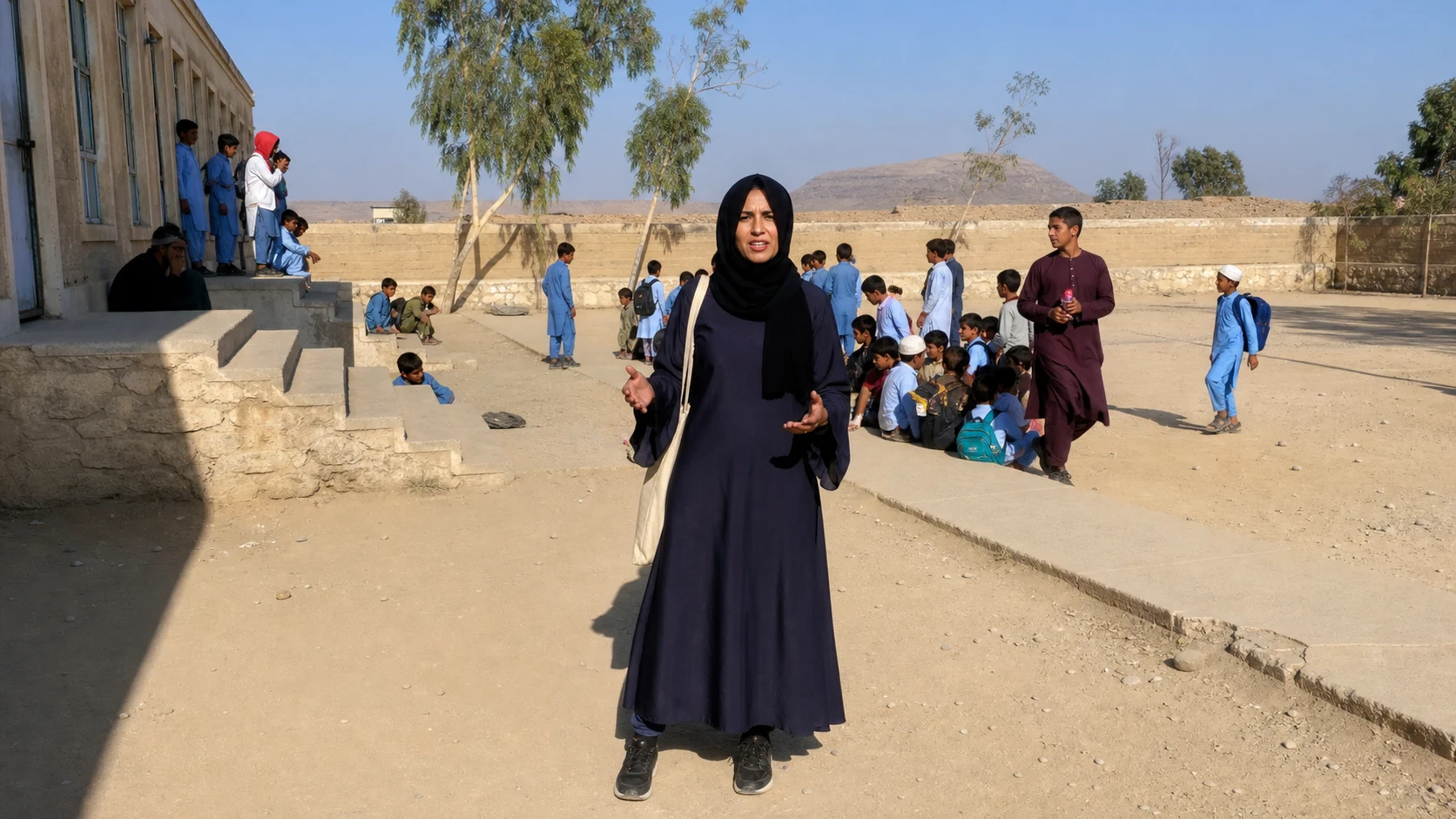
بعد انسحاب القوات الأمريكية في 30 أغسطس من هذا العام، سافرت إلى أفغانستان.

لقد أمضيت بعض الوقت في كابل، وتحدثت مع مختلف الفاعلين المحليين والوكالات الإنسانية، وحاولت أن أفهم بنفسي الوضع في أفغانستان بعد انسحاب الأمريكيين.

سوء التغذية الحاد عند الأطفال الأفغان

ريبورتاج لـ Voice of America عن أزمة سوء التغذية الحادة التي تؤثر على الأطفال في أفغانستان.

واحدة من أكثر الأزمات إلحاحاً في أفغانستان اليوم هي سوء التغذية الحاد الذي يؤثر على الأطفال. نظام الرعاية الصحية، الذي كان ضعيفاً بالفعل قبل سقوط الحكومة الأفغانية، أصبح الآن على وشك الانهيار الكامل.

الأسر لا تستطيع إطعام أطفالها بشكل صحيح، ومعدلات سوء التغذية ترتفع بشكل كبير. الأطباء والممرضون يعملون دون رواتب منذ أشهر، والأدوية واللوازم الطبية نادرة.

العنف المستمر من داعش خراسان

تقرير عن عنف داعش خراسان في أفغانستان بعد عودة طالبان إلى السلطة.

على الرغم من سيطرة طالبان على البلاد، لا يزال العنف يهز أفغانستان. الدولة الإسلامية في خراسان (داعش-خ)، وهو فرع من تنظيم الدولة الإسلامية، ينفذ هجمات استهدفت بشكل خاص الأقليات العرقية والدينية.

التفجيرات الانتحارية والهجمات ضد المساجد الشيعية والمدارس ومراكز التعليم أصبحت متكررة بشكل مقلق. كابل، التي كانت تعتبر مرة آمنة نسبياً، تعاني الآن من انعدام أمن متزايد.

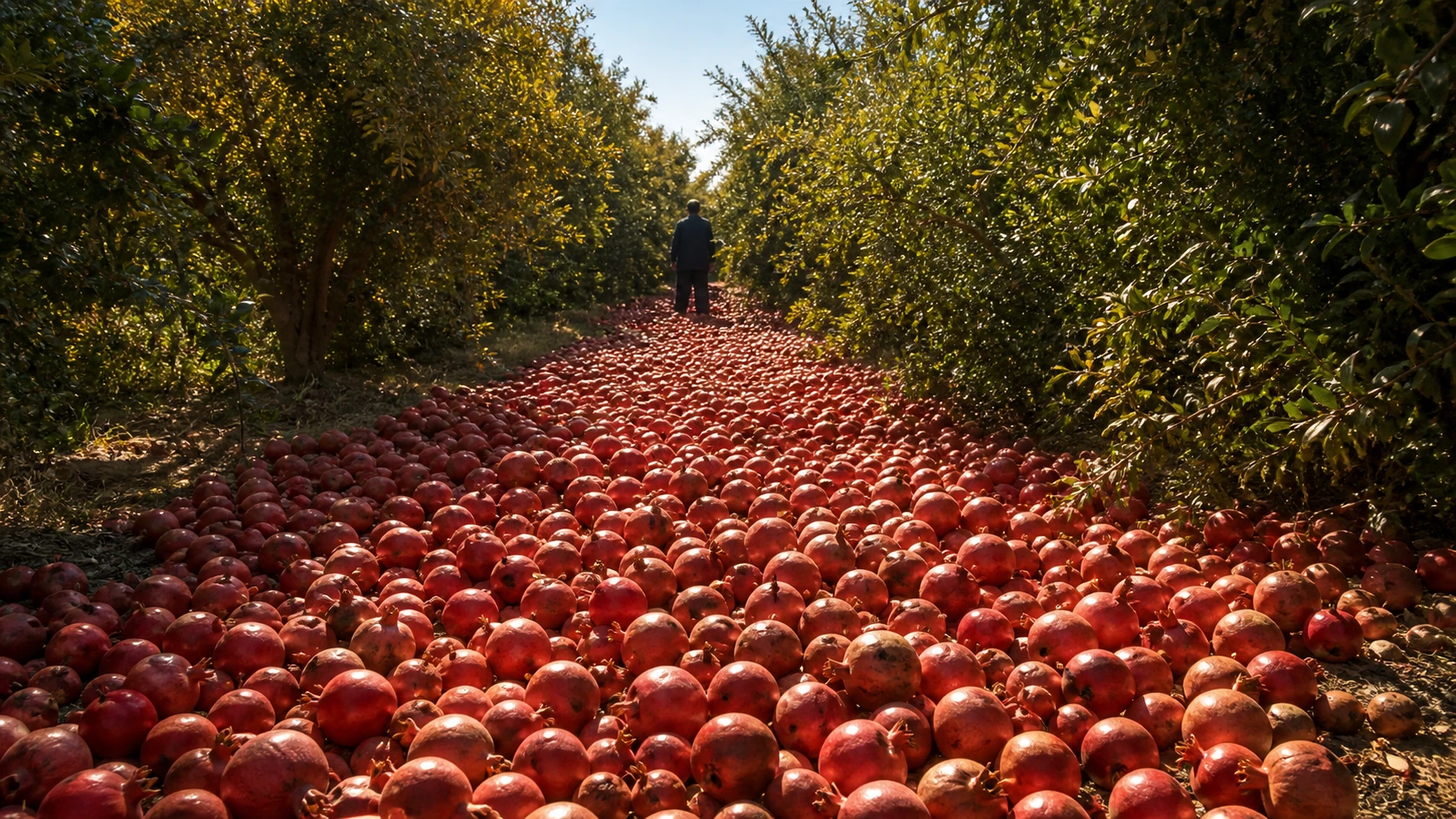
الصناعة الزراعية: مدمرة بالحرب والجفاف

ريبورتاج عن الدمار الذي لحق بالصناعة الزراعية الأفغانية بسبب الحرب والجفاف الممتد.

أفغانستان، التي كان اقتصادها دائماً يعتمد بشكل كبير على الزراعة، تواجه كارثة في هذا القطاع. عقود من الحرب دمرت البنية التحتية الزراعية، ولكن في السنوات الأخيرة أضاف الجفاف الشديد مستوى جديداً من المعاناة.

المزارعون الذين فقدوا محاصيلهم يهاجرون إلى المدن بحثاً عن العمل، ولكن الفرص نادرة. السوق الزراعي، الذي كان مرة حيوياً، أصبح صامتاً وشبه مهجور.

الشتاء القادم: تحدي جديد

مع اقتراب فصل الشتاء، تواجه أفغانستان أزمة إنسانية هائلة. الملايين من الأفغان معرضون لخطر المجاعة، والأمم المتحدة تحذر من أن نصف السكان سيحتاجون إلى مساعدة إنسانية في الأشهر المقبلة.

النظام المصرفي متجمد، والمساعدات الدولية محدودة، وطالبان غير قادرة أو غير راغبة في معالجة الأزمة بشكل كافٍ.

الخلاصة

أفغانستان بعد الحرب تواجه مستقبلاً غير مؤكد. ما كان مرة أملاً في السلام والاستقرار بعد انسحاب القوات الأمريكية تحول إلى واقع من الجوع والعنف وانعدام الأمن.

المجتمع الدولي يراقب، ولكن المساعدة الفعلية بطيئة في الوصول. الشعب الأفغاني، الذي عانى لعقود من الصراع، يجد نفسه الآن في واحدة من أحلك الفترات في تاريخه الحديث.


سلسلة ريبورتاجات لـ Voice of America من أفغانستان، ديسمبر 2021

L'Afghanistan dopo la guerra

L'Afghanistan dopo la guerra

Dopo l’abbandono da parte delle truppe USA il 30 agosto di quest’anno, mi sono recata in Afghanistan.

Ho verificato di persona la situazione e realizzato diversi servizi.

All’interno di questo post, riporto alcuni dei servizi video realizzati per VOA.

L’ospedale di Kandahar segnala un aumento dei casi di malnutrizione infantile

Con la grave crisi umanitaria che devasta l’Afghanistan, l’ospedale Mirwais di Kandahar segnala un aumento del numero di bambini piccoli affetti da malnutrizione acuta.

Gaja Pellegrini riporta da Kandahar, con il contributo di Roshan Noorzai.

I civili afgani temono il proseguimento della violenza mentre l’ISIS lancia gli attacchi

Da quando i talebani hanno preso il controllo dell’Afghanistan ad agosto, gli attacchi da parte dello Stato islamico sono aumentati, soprattutto nella provincia orientale di Nangarhar.

I civili nella regione affermano di temere la minaccia di violenza rappresentata dal gruppo noto come Stato Islamico-Khorasan, o IS-K. Per VOA.

Gaja Pellegrini-Bettoli riporta da Nangarhar, Afghanistan.

L’industria agricola dell’Afghanistan meridionale schiacciata da anni di guerra e siccità

Gli agricoltori del distretto di Arghandab a Kandahar affermano che anni di guerra, siccità e mancanza di accesso al mercato hanno devastato le loro fattorie e i loro mezzi di sussistenza.

Gaja Pellegrini-Bettoli riporta da Kandahar.

Riprese di Filippo Rossi. Con il contributo di Roshan Noorzai.


Reportage realizzato in Afghanistan, dicembre 2021

Afghanistan After the War

Afghanistan After the War

After the withdrawal of US troops on August 30 of this year, I traveled to Afghanistan.

I personally verified the situation and produced several reports.

Within this post, I share some of the video reports I produced for VOA.

Kandahar Hospital Reports Increase in Child Malnutrition Cases

With the severe humanitarian crisis devastating Afghanistan, Kandahar’s Mirwais Hospital reports an increase in the number of young children suffering from acute malnutrition.

Gaja Pellegrini reports from Kandahar, with contribution from Roshan Noorzai.

Afghan Civilians Fear Continued Violence as ISIS Launches Attacks

Since the Taliban took control of Afghanistan in August, attacks by the Islamic State have increased, particularly in the eastern province of Nangarhar.

Civilians in the region say they fear the threat of violence posed by the group known as Islamic State-Khorasan, or IS-K. For VOA.

Gaja Pellegrini-Bettoli reports from Nangarhar, Afghanistan.

Southern Afghanistan’s Agricultural Industry Crushed by Years of War and Drought

Farmers in Kandahar’s Arghandab district say years of war, drought and lack of market access have devastated their farms and livelihoods.

Gaja Pellegrini-Bettoli reports from Kandahar.

Footage by Filippo Rossi. With contribution from Roshan Noorzai.


Reportage conducted in Afghanistan, December 2021

From "Lollars" to Default: Lebanon's Financial Crisis

From "Lollars" to Default: Lebanon's Financial Crisis

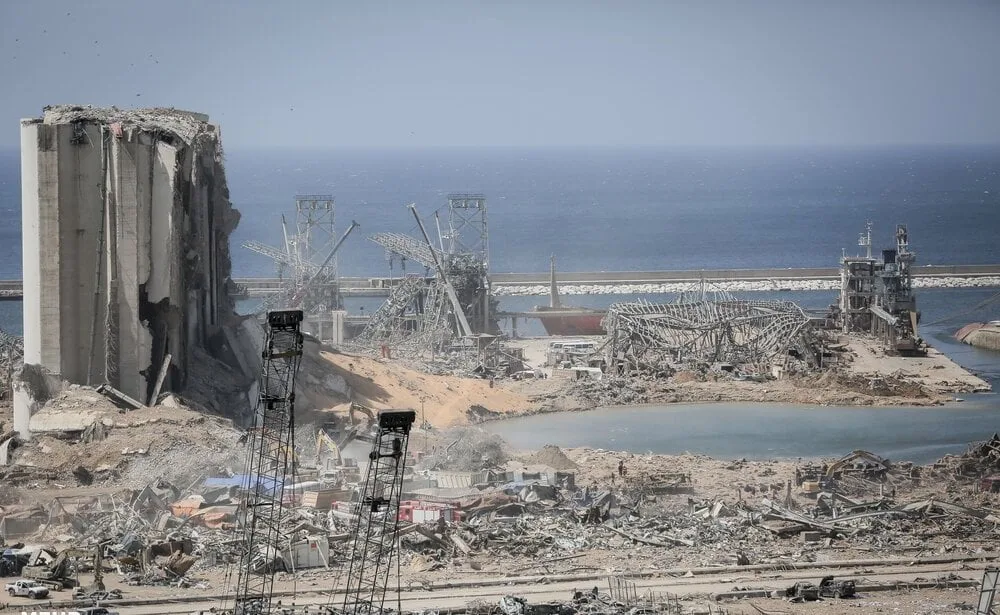
The explosion at Beirut port – the largest non-nuclear blast in history – which caused 178 deaths, over 6,500 injuries, and left 300,000 homeless in August 2020 was a preventable tragedy.

It was also impossible to hide.

The collapse of the financial system and the resulting financial crisis in Lebanon could also have been avoided. However, this was less visible.

A series of measures established by Lebanon’s central bank (Banque du Liban, BDL) and the government concealed the inevitable default through financial engineering instruments and the peg between the lira and the dollar.

While all solutions to end the crisis will be painful, reforming the system is a feasible undertaking. This is because the current situation is not the result of external factors, but rather of a malfunctioning (and endemically corrupt) political system and economic governance.

How Did Lebanon Reach Financial Crisis?

When, in October 2019, Lebanese civil society began protesting across the country demanding political reforms, the economy had already reached stagnation and Lebanon’s economic crisis was at the doorstep. At the time, the debt-to-GDP ratio was predicted to be 155%, making Lebanon one of the most indebted countries in the world.

Despite Prime Minister Saad Hariri’s resignation on October 29, the lack of confidence in the economy and banking system led to capital flight between 3 and 4 billion dollars.

This amount was withdrawn while banks were officially closed to (most) customers after the October revolt. When banks reopened, “normal” customers found it increasingly difficult to withdraw cash from their US dollar accounts.

This, in turn, caused the black market rate of USD to skyrocket. The Lebanese pound has lost about 90% of its value since late 2019. From its official fixed bank rate of 1,507 lira per USD, it reached 13,125 lira.

This coincided with the term “lollar” appearing on social media. A play on words between the term “dollar” and the acronym “lol”, meaning a Lebanese dollar, or a US dollar stuck in the Lebanese banking system: an entry in a computer with no corresponding currency.

Banks did not have sufficient liquidity: they were no longer able to return customer deposits because they were no longer there.

This lack of accountability, which adds insult to injury, is also made possible by the fact that customers have no legal recourse: they can go to court but will lose since there is no law protecting them in this situation.

The Lebanese Economy: An Imperfect System

Dan Azzi, an economic analyst and former Lebanese bank executive who coined the term lollar, breaks down the causes of the crisis highlighting three points.

Lebanese expatriates living abroad sent their savings in USD to Lebanon for retirement. These deposits were then used to support the lira peg.

This allowed the peg – introduced in 1997 – to be stable for the last 20 years while, at the same time, it overvalued the Lebanese currency, leading Lebanese to live beyond their means.

Once Lebanese bankers were able to attract expatriate investments through financial engineering, they would lend the money to the BDL at very high interest rates and the BDL would use these funds for imports.

The current amount of declared reserves in Lebanon is estimated at about 15 billion dollars in cash and another 15 billion in gold, representing about a year and a half of GDP, which stands at 20 billion.

In theory, the country is wealthy: the reason for Lebanon’s financial crisis is that the number of claims is too large in amount.

According to Azzi, the only solution, albeit painful, is to reduce claims by implementing cuts. The analyst explains that reserves are wasted on subsidies such as fuel or that funds leave the country through a system that favors powerful and well-connected people.

At this rate, he adds, in about 15-18 months, the remaining deposits will disappear and only gold will remain. The next stage, if nothing is done to prevent it, will be to find oneself in a scenario similar to that of Mogadishu in 1993.

For the Lebanese economy, one of the consequences of pegging the Lebanese currency to the US dollar – at an inflated rate – was that Lebanon was no longer competitive compared to its neighbors and, as such, became dependent on imports.

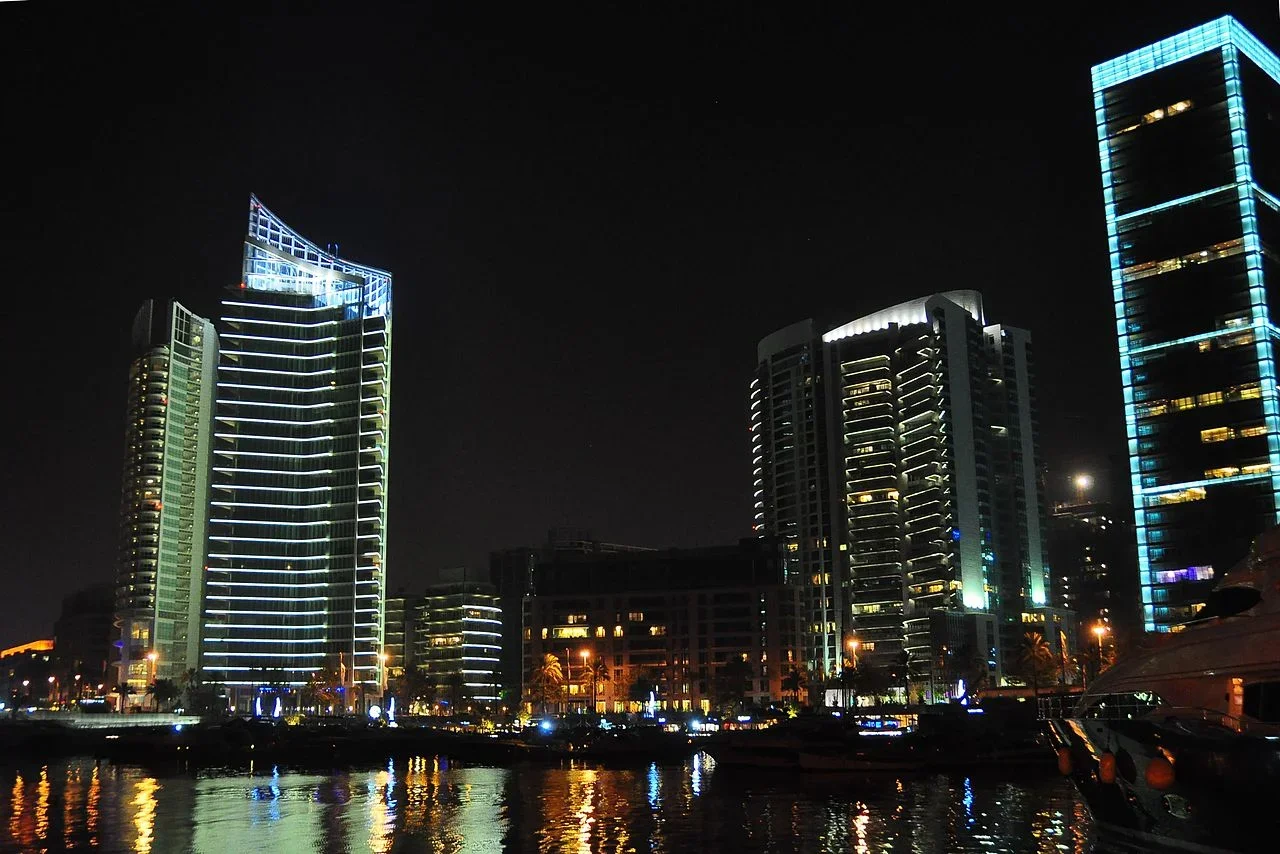
Beirut Central District: Symbol of Lebanon’s Financial Crisis

Zaitunay Bay, Downtown Beirut Zaitunay Bay, Beirut Central District - Photo: Hussein Abdallah

Mike Azar, a debt finance consultant and former professor of international economics at Johns Hopkins School of Advanced International Studies in Washington DC, believes the crisis could have been avoided and emphasizes the need for political governance reform.

One of the instruments he deems necessary is the creation of an economic crisis steering committee to analyze the complexity of issues holistically by qualified experts without conflicts of interest.

Essentially, the dollar peg is unsustainable and does not incentivize reforms. Furthermore, because of how the current system works, foreign aid money contributes to currency devaluation, which ultimately harms everyone. According to Professor Azar,

“The international community still thinks it is dealing with a government [in Lebanon], but there is no government: it is pure anarchy.”

He explains that the social safety net being created only serves to keep the streets calm for future elections; it lacks planning, oversight or sustainability.

The World Bank’s $246 million loan, whose conditions were agreed upon last January, offers an example of the system’s malfunction: the loan was supposed to support more than 150,000 of Lebanon’s poorest families with monthly cash payments, however, it was suspended by the World Bank at the end of May.

The international financial institution asked the government to clarify the reasons behind the Social Affairs Minister’s modifications to the $246 million loan intended for Lebanon’s most needy families before releasing the funds. At this point, Professor Azar considers it unlikely that the loan will arrive.

The Responsibilities That No Institution Wants to Take

Following Wednesday’s street protests, BDL Governor Riad Salameh reassured depositors yesterday that the central bank is not bankrupt.

He added that people’s deposits are safe and will be returned soon, canceling the decision to stop withdrawals from dollar deposits at a higher rate than the official exchange rate but much lower than the informal market rate.

This effectively places it at about one-third of the black market value of USD – difficult to consider it a good deal – although it remains the only way for many to access their funds.

Lebanese banks have blocked dollar accounts and blocked transfers abroad. But since Circular 151 was issued last year, depositors have been allowed to withdraw dollars, with funds paid in local currency at a rate of 3,900 pounds.

In a video posted months ago, Governor Salameh stated that the funds the BDL lent to the government were in Lebanese lira and not in dollars, clarifying that the funds used for imports are the reason for decreased bank liquidity.

He also added that the BDL is aware that depositors’ dollars went to finance imports, citing the lack of any responsibility in the matter by the central bank.

The governor’s office was contacted, but was not available for comment at the time of writing.

To understand how the crisis has affected the daily lives of the Lebanese, one need only look at the long lines at gas stations, ATMs, longer power outages than usual, or the price of groceries that has increased by 400%.

Luna Safwan – a Lebanese journalist and human rights activist – notes:

“We have four hours of electricity a day, generators run 24/7, hospitals cannot afford to operate, it is impossible to go to the supermarket without spending 1,000,000 lira on basic goods… not to mention the current political fraction, and politicians acting like teenagers”

Indeed, the current Lebanese government acts as a caretaker.

Political paralysis and lack of accountability have complicated an already disastrous economic crisis: irritable political leaders are unable to form a new government and implement the necessary reforms to unlock foreign aid.

Lebanon has been without a government since the massive explosion at Beirut port last August destroyed areas of the capital. Prime Minister-designate Saad al-Hariri (the same one who resigned in 2019, in a scenario reminiscent of musical chairs) and President Michel Aoun have been unable to agree on the appointment of ministers for months.

In its recent report, the World Bank ranked Lebanon’s financial and economic crisis among the top ten, perhaps the top three, most serious crises globally since the mid-nineteenth century.

In March 2020, Lebanon failed to repay a $1.2 billion Eurobond, the country’s first sovereign default in history. This had never happened before, not even during the 15 years of civil war.

The country’s future cannot afford further inertia.


Translation of my article for ISPI dated 04/06/2021

من "اللولار" إلى التخلف عن السداد: الأزمة المالية في لبنان

من "اللولار" إلى التخلف عن السداد: الأزمة المالية في لبنان

انفجار مرفأ بيروت – أكبر انفجار غير نووي في التاريخ – الذي تسبب في 178 وفاة، وأكثر من 6500 جريح، وترك 300000 شخص بلا مأوى في أغسطس 2020 كان مأساة يمكن تجنبها.

كان من المستحيل أيضاً إخفاؤه.

كان يمكن أيضاً تجنب انهيار النظام المالي والأزمة المالية الناتجة في لبنان. ومع ذلك، كان هذا أقل وضوحاً.

سلسلة من التدابير التي وضعها مصرف لبنان المركزي (بنك لبنان، BDL) والحكومة أخفت التخلف عن السداد الحتمي من خلال أدوات الهندسة المالية والربط بين الليرة والدولار.

في حين أن جميع الحلول لإنهاء الأزمة ستكون مؤلمة، فإن إصلاح النظام هو مهمة قابلة للتحقيق. ذلك لأن الوضع الحالي ليس نتيجة لعوامل خارجية، بل هو نتيجة لنظام سياسي وحوكمة اقتصادية معطوبة (وفاسدة بشكل مستوطن).

كيف وصل لبنان إلى الأزمة المالية؟

عندما بدأ المجتمع المدني اللبناني في أكتوبر 2019 بالاحتجاج في جميع أنحاء البلاد مطالباً بإصلاحات سياسية، كان الاقتصاد قد وصل بالفعل إلى الركود وكانت الأزمة الاقتصادية للبنان على الأبواب. في ذلك الوقت، كان من المتوقع أن تكون نسبة الدين إلى الناتج المحلي الإجمالي 155٪، مما يجعل لبنان واحداً من أكثر البلدان مديونية في العالم.

على الرغم من استقالة رئيس الوزراء سعد الحريري في 29 أكتوبر، أدى نقص الثقة في الاقتصاد والنظام المصرفي إلى هروب رأس المال بين 3 و 4 مليارات دولار.

تم سحب هذا المبلغ بينما كانت البنوك مغلقة رسمياً أمام (معظم) العملاء بعد ثورة أكتوبر. عندما أعيد فتح البنوك، وجد العملاء “العاديون” صعوبة متزايدة في سحب النقد من حساباتهم بالدولار الأمريكي.

هذا، بدوره، تسبب في ارتفاع سعر الدولار في السوق السوداء. فقدت الليرة اللبنانية حوالي 90٪ من قيمتها منذ أواخر عام 2019. من سعرها الرسمي الثابت البالغ 1507 ليرة لكل دولار أمريكي، وصلت إلى 13125 ليرة.

تزامن هذا مع ظهور مصطلح “اللولار” على وسائل التواصل الاجتماعي. لعبة كلمات بين مصطلح “دولار” والاختصار “lol”، أي دولار لبناني، أو دولار أمريكي عالق في النظام المصرفي اللبناني: إدخال في كمبيوتر بدون عملة مقابلة.

لم يكن لدى البنوك سيولة كافية: لم تعد قادرة على إعادة ودائع العملاء لأنها لم تعد موجودة.

هذا الافتقار إلى المساءلة، الذي يضيف الإهانة إلى الضرر، ممكن أيضاً بسبب حقيقة أن العملاء ليس لديهم وسيلة قانونية: يمكنهم الذهاب إلى المحكمة ولكنهم سيخسرون لأنه لا يوجد قانون يحميهم في هذا الوضع.

الاقتصاد اللبناني: نظام غير كامل

دان عزي، المحلل الاقتصادي والمصرفي اللبناني السابق الذي ابتكر مصطلح اللولار، يحلل أسباب الأزمة مسلطاً الضوء على ثلاث نقاط.

المغتربون اللبنانيون الذين يعيشون في الخارج أرسلوا مدخراتهم بالدولار الأمريكي إلى لبنان للتقاعد. ثم استخدمت هذه الودائع لدعم ربط الليرة.

سمح هذا للربط – الذي تم تقديمه في عام 1997 – بأن يكون مستقراً خلال العشرين عاماً الماضية بينما، في الوقت نفسه، بالغ في تقييم العملة اللبنانية، مما أدى إلى عيش اللبنانيين فوق إمكانياتهم.

بمجرد أن تمكن المصرفيون اللبنانيون من جذب استثمارات المغتربين من خلال الهندسة المالية، كانوا يقرضون المال لمصرف لبنان بأسعار فائدة عالية جداً وكان مصرف لبنان يستخدم هذه الأموال للواردات.

يقدر المبلغ الحالي للاحتياطيات المعلنة في لبنان بحوالي 15 مليار دولار نقداً و 15 ملياراً آخر بالذهب، مما يمثل حوالي سنة ونصف من الناتج المحلي الإجمالي، الذي يبلغ 20 ملياراً.

نظرياً، البلد غني: سبب الأزمة المالية في لبنان هو أن عدد المطالبات كبير جداً في المبلغ.

وفقاً لعزي، الحل الوحيد، وإن كان مؤلماً، هو تقليل المطالبات من خلال تنفيذ التخفيضات. يشرح المحلل أن الاحتياطيات تهدر في الدعم مثل الوقود أو أن الأموال تغادر البلاد من خلال نظام يفضل الأشخاص الأقوياء والمتصلين جيداً.

بهذه الوتيرة، يضيف، في حوالي 15-18 شهراً، ستختفي الودائع المتبقية وسيبقى الذهب فقط. المرحلة التالية، إذا لم يتم فعل شيء لمنعها، ستكون العثور على نفسك في سيناريو مشابه لسيناريو مقديشو في عام 1993.

بالنسبة للاقتصاد اللبناني، كانت إحدى عواقب ربط العملة اللبنانية بالدولار الأمريكي – بسعر مضخم – أن لبنان لم يعد منافساً مقارنة بجيرانه وبالتالي، أصبح معتمداً على الواردات.

بيروت المركزية: رمز الأزمة المالية اللبنانية

زيتونة باي، وسط بيروت زيتونة باي، بيروت المركزية - صورة: حسين عبد الله

مايك عازار، مستشار تمويل الديون والأستاذ السابق للاقتصاد الدولي في كلية جونز هوبكنز للدراسات الدولية المتقدمة في واشنطن العاصمة، يعتقد أنه كان يمكن تجنب الأزمة ويؤكد على الحاجة إلى إصلاح الحوكمة السياسية.

أحد الأدوات التي يعتبرها ضرورية هو إنشاء لجنة توجيهية للأزمة الاقتصادية لتحليل تعقيد القضايا بشكل شامل من قبل خبراء مؤهلين وبدون تضارب في المصالح.

في الأساس، الربط بالدولار غير مستدام ولا يحفز الإصلاحات. علاوة على ذلك، بسبب طريقة عمل النظام الحالي، تساهم أموال المساعدات الأجنبية في انخفاض قيمة العملة، مما يضر في النهاية بالجميع. وفقاً للبروفيسور عازار،

“المجتمع الدولي لا يزال يعتقد أنه يتعامل مع حكومة [في لبنان]، ولكن لا توجد حكومة: إنها فوضى خالصة”.

يشرح أن شبكة الأمان الاجتماعي التي يتم إنشاؤها تخدم فقط للحفاظ على الشوارع هادئة للانتخابات المستقبلية؛ تفتقر إلى التخطيط أو الإشراف أو الاستدامة.

قرض البنك الدولي البالغ 246 مليون دولار، الذي تم الاتفاق على شروطه في يناير الماضي، يقدم مثالاً على خلل النظام: كان القرض من المفترض أن يدعم أكثر من 150000 من أفقر الأسر في لبنان بمدفوعات نقدية شهرية، ومع ذلك، تم تعليقه من قبل البنك الدولي في نهاية مايو.

طلبت المؤسسة المالية الدولية من الحكومة توضيح الأسباب وراء تعديلات وزير الشؤون الاجتماعية على قرض 246 مليون دولار المخصص لأكثر الأسر احتياجاً في لبنان قبل إطلاق الأموال. في هذه المرحلة، يعتبر البروفيسور عازار من غير المحتمل أن يصل القرض.

المسؤوليات التي لا تريد أي مؤسسة تحملها

بعد احتجاجات الشوارع يوم الأربعاء، طمأن محافظ مصرف لبنان رياض سلامة المودعين أمس أن المصرف المركزي ليس مفلساً.

أضاف أن ودائع الناس آمنة وسيتم إعادتها قريباً، ملغياً قرار وقف السحوبات من الودائع بالدولار بسعر أعلى من سعر الصرف الرسمي ولكن أقل بكثير من سعر السوق غير الرسمي.

هذا يضعه فعلياً عند حوالي ثلث قيمة السوق السوداء للدولار الأمريكي – من الصعب اعتباره صفقة جيدة – على الرغم من أنه يبقى الطريقة الوحيدة للكثيرين للوصول إلى أموالهم.

المصارف اللبنانية حجبت حسابات الدولار وحجبت التحويلات إلى الخارج. ولكن منذ صدور التعميم 151 العام الماضي، سُمح للمودعين بسحب الدولارات، مع دفع الأموال بالعملة المحلية بسعر 3900 ليرة.

في فيديو نُشر قبل أشهر، صرح المحافظ سلامة أن الأموال التي أقرضها مصرف لبنان للحكومة كانت بالليرة اللبنانية وليس بالدولار، موضحاً أن الأموال المستخدمة للواردات هي سبب انخفاض السيولة المصرفية.

أضاف أيضاً أن مصرف لبنان يدرك أن دولارات المودعين ذهبت لتمويل الواردات، مشيراً إلى عدم وجود أي مسؤولية في الأمر من قبل المصرف المركزي.

تم الاتصال بمكتب المحافظ، لكنه لم يكن متاحاً للتعليق وقت الكتابة.

لفهم كيف أثرت الأزمة على الحياة اليومية للبنانيين، لا يحتاج المرء إلا إلى النظر إلى الطوابير الطويلة في محطات الوقود، وأجهزة الصراف الآلي، وانقطاعات التيار الكهربائي الأطول من المعتاد، أو سعر البقالة الذي ارتفع بنسبة 400٪.

لونا صفوان – صحفية لبنانية وناشطة حقوق الإنسان – تلاحظ:

“لدينا أربع ساعات من الكهرباء في اليوم، والمولدات تعمل 24/7، والمستشفيات لا تستطيع تحمل تكاليف العمل، من المستحيل الذهاب إلى السوبر ماركت دون إنفاق 1000000 ليرة على البضائع الأساسية… ناهيك عن الكسر السياسي الحالي، والسياسيين الذين يتصرفون مثل المراهقين”

في الواقع، الحكومة اللبنانية الحالية تعمل بصفة حارس.

الشلل السياسي ونقص المساءلة عقدا أزمة اقتصادية كارثية بالفعل: القادة السياسيون المتهيجون غير قادرين على تشكيل حكومة جديدة وتنفيذ الإصلاحات اللازمة لإطلاق المساعدات الأجنبية.

لبنان من دون حكومة منذ الانفجار الهائل في مرفأ بيروت في أغسطس الماضي الذي دمر مناطق من العاصمة. رئيس الوزراء المكلف سعد الحريري (نفسه الذي استقال في عام 2019، في سيناريو يذكر بلعبة الكراسي الموسيقية) والرئيس ميشال عون غير قادرين منذ أشهر على الاتفاق على تعيين الوزراء.

في تقريرها الأخير، صنف البنك الدولي الأزمة المالية والاقتصادية للبنان ضمن أفضل عشر، ربما الثلاث الأوائل، أخطر الأزمات على مستوى العالم منذ منتصف القرن التاسع عشر.

في مارس 2020، فشل لبنان في سداد سندات يورو بقيمة 1.2 مليار دولار، أول تخلف سيادي في تاريخ البلاد. لم يحدث هذا من قبل، حتى خلال 15 عاماً من الحرب الأهلية.

مستقبل البلاد لا يمكن أن يتحمل المزيد من الجمود.


ترجمة مقالتي لـ ISPI المؤرخة 04/06/2021

Dai "Lollars" al Default: la crisi finanziaria del Libano

Dai "Lollars" al Default: la crisi finanziaria del Libano

L’esplosione nel porto di Beirut – la più grande deflagrazione non nucleare della storia – che ha causato 178 vittime, oltre 6.500 feriti e 300.000 senzatetto nell’Agosto 2020 è stata una tragedia evitabile.

Era anche impossibile nasconderla.

Si sarebbe potuto evitare anche il crollo del sistema finanziario e la conseguente crisi finanziaria del Libano. Questo era, tuttavia, meno visibile.

Una serie di misure stabilite dalla Banca centrale libanese (Banque du Liban, BDL) e dal governo ha nascosto l’inevitabile default mediante strumenti di ingegneria finanziaria e l’ancoraggio tra lira e dollaro.

Mentre tutte le soluzioni per porre fine alla crisi saranno dolorose, riformare il sistema è un’impresa fattibile. Questo perchè la situazione attuale non è il risultato di fattori esterni, ma piuttosto di un sistema politico e di governo economico mal funzionante (e endemicamente corrotto).

Come si è arrivati alla crisi finanziaria del Libano?

Quando, nell’ottobre 2019, la società civile libanese ha iniziato a protestare in tutto il Paese chiedendo riforme politiche, l’economia era già arrivata alla stagnazione e la crisi economica del Libano era alle porte. All’epoca si prevedeva che il rapporto debito/PIL fosse del 155 %, facendo del Libano uno dei paesi più indebitati al mondo.

Nonostante le dimissioni del primo ministro Saad Hariri il 29 ottobre, la mancanza di fiducia nell’economia e nel sistema bancario ha portato alla fuga di capitali tra i 3 e i 4 miliardi di dollari.

Questo importo è stato prelevato mentre le banche sono state ufficialmente chiuse alla (maggior parte) dei clienti dopo la rivolta di ottobre. Quando le banche hanno riaperto, i clienti “normali” hanno trovato sempre più difficile prelevare contanti dai loro conti in dollari USA.

Questo, a sua volta, ha portato il tasso di mercato nero dell’USD a salire alle stelle. La sterlina libanese ha perso circa il 90% del suo valore dalla fine del 2019. Dal suo tasso bancario ufficiale fisso di 1.507 lire per USD, ha raggiunto le 13,125 lire.

Ciò ha coinciso con il termine “lollar” che è apparso sui social media. Un gioco di parole tra il termine “dollaro” e l’acronimo “lol”, ovvero un dollaro libanese, o un dollaro americano bloccato nel sistema bancario libanese: una voce in un computer senza valuta corrispondente.

Le banche non avevano liquidità sufficiente: non erano più in grado di restituire i depositi dei clienti perché non erano più lì.

Questa mancanza di responsabilità, che aggiunge la beffa al danno, è resa possibile anche dal fatto che i clienti non hanno la possibilità di ricorrere legalmente: possono andare in tribunale ma perderanno in quanto non esiste alcuna legge che li protegga in questa situazione.

L’economia libanese: un sistema imperfetto

Dan Azzi, analista economico ed ex dirigente di banca libanese, che ha inventato il termine lollar, scompone le cause della crisi evidenziando tre punti.

Gli espatriati libanesi che vivono all’estero hanno inviato i loro risparmi in USD in Libano per la pensione. Questi depositi sono stati poi utilizzati per sostenere l’ancoraggio della lira.

Ciò ha permesso all’ancoraggio – introdotto nel 1997 – di essere stabile negli ultimi 20 anni mentre, allo stesso tempo, ha sopravvalutato la valuta libanese, portando i libanesi a vivere al di sopra delle proprie possibilità.

Una volta che i banchieri libanesi fossero stati in grado di attrarre gli investimenti degli espatriati attraverso l’ingegneria finanziaria, avrebbero prestato i soldi al BDL a tassi di interesse molto alti e il BDL avrebbe usato questi fondi per le importazioni.

L’attuale ammontare delle riserve dichiarate in Libano è stimato in circa 15 miliardi di dollari in contanti e altri 15 miliardi in oro, che rappresentano circa un anno e mezzo del PIL, che si attesta a 20 miliardi.

In teoria, il Paese è ricco: il motivo della crisi finanziaria del Libano è che il numero di richieste è di importi troppo elevati.

Secondo Azzi, l’unica soluzione, seppur dolorosa, è ridurre le pretese attuando dei tagli. L’analista spiega che le riserve vengono sprecate in sussidi come il carburante o che i fondi lasciano il paese attraverso un sistema che favorisce le persone potenti e ben collegate.

A questo ritmo, aggiunge, in circa 15-18 mesi, i depositi rimanenti spariranno e rimarrà solo l’oro. La prossima tappa, se non si farà nulla per impedirlo, sarà quella di trovarsi in uno scenario simile a quello di Mogadiscio nel 1993.

Per l’economia libanese, una delle conseguenze dell’ancoraggio della valuta libanese al dollaro USA – a un tasso inflazionato – è stata che il Libano non era più competitivo rispetto ai suoi vicini e, come tale, è cresciuto dipendente dalle importazioni.

Beirut Central District: simbolo della crisi finanziaria libanese

Zaitunay Bay, Downtown Beirut Zaitunay Bay, Beirut Central District - Foto: Hussein Abdallah

Mike Azar, consulente per la finanza del debito ed ex docente di economia internazionale presso la Johns Hopkins School of Advanced International Studies di Washington DC, crede che la crisi avrebbe potuto essere evitata e sottolinea la necessità di una riforma della governance politica.

Uno degli strumenti che ritiene necessari è la creazione di un comitato direttivo della crisi economica per analizzare la complessità delle questioni in modo olistico da esperti qualificati e senza conflitti di interesse.

In sostanza, l’ancoraggio col dollaro è insostenibile e non incentiva le riforme. Inoltre, a causa del modo in cui funziona l’attuale sistema, il denaro degli aiuti esteri contribuisce alla svalutazione della moneta, che alla fine danneggia tutti. Secondo il professor Azar,

“La comunità internazionale pensa ancora di avere a che fare con un governo [in Libano], ma non c’è governo: è pura anarchia”.

Spiega che l’ammortizzatore sociale che si sta creando serve solo a mantenere calme le strade per le future elezioni; manca di pianificazione, supervisione o sostenibilità.

Il prestito di 246 milioni di dollari della Banca Mondiale, le cui condizioni sono state concordate lo scorso gennaio, offre un esempio del malfunzionamento del sistema: il prestito doveva sostenere più di 150.000 famiglie più povere del Libano con elargizioni mensili in contanti, tuttavia, è stato sospeso dalla Banca mondiale alla fine di maggio.

L’istituto finanziario internazionale ha chiesto al governo di chiarire le ragioni alla base delle modifiche del ministro degli Affari Sociali sul prestito di 246 milioni di dollari destinato alle famiglie più bisognose in Libano prima di sbloccare i fondi. A questo punto, il professor Azar ritiene improbabile che il prestito arrivi.

Le responsabilità che nessuna istituzione vuole prendersi

A seguito delle proteste di piazza di mercoledì, il governatore del BDL Riad Salameh ha rassicurato i depositanti ieri che la Banca centrale non è in bancarotta.

Ha aggiunto che i depositi delle persone sono al sicuro e verranno restituiti presto, annullando la decisione di interrompere i prelievi dai depositi in dollari a un tasso più elevato rispetto al cambio ufficiale ma molto più basso del tasso del mercato informale.

Questo lo colloca effettivamente a circa un terzo del valore del mercato nero dell’USD – difficile considerarlo un buon affare – sebbene rimanga l’unico modo per molti di accedere ai propri fondi.

Le banche libanesi hanno bloccato i conti in dollari e bloccato i trasferimenti all’estero. Ma da quando è stata emessa la Circolare 151 lo scorso anno, ai depositanti è stato permesso di prelevare dollari, con i fondi pagati nella valuta locale ad un tasso di 3.900 sterline.

In un video pubblicato mesi fa, il governatore Salameh ha affermato che i fondi che il BDL ha prestato al governo erano in lire libanesi e non in dollari, chiarendo che i fondi utilizzati per le importazioni sono la ragione della diminuita liquidità bancaria.

Ha anche aggiunto che il BDL è consapevole che i dollari dei depositanti sono andati a finanziare le importazioni, citando la mancanza di qualsiasi responsabilità in materia da parte della banca centrale.

È stato contattato l’ufficio del governatore, ma non era disponibile per un commento al momento della scrittura.

Per capire come la crisi abbia influito sulla vita quotidiana dei libanesi, basta vedere le lunghe code ai distributori di benzina, agli sportelli bancomat, le interruzioni di corrente più lunghe del solito o il prezzo dei generi alimentari che è aumentato del 400%.

Luna Safwan – giornalista libanese e attivista per i diritti umani – nota:

“Abbiamo quattro ore di elettricità al giorno, i generatori funzionano 24 ore su 24, gli ospedali non possono permettersi di funzionare, è impossibile fare un giro al supermercato senza spendere 1.000.000 di lire per le spese di base merci… per non parlare dell’attuale frazione politica, e dei politici che si comportano come adolescenti”

In effetti, l’attuale governo libanese agisce in veste di custode.

La paralisi politica e la mancanza di responsabilità hanno complicato una crisi economica già disastrosa: leader politici irritabili sono incapaci di formare un nuovo governo e attuare le riforme necessarie per sbloccare gli aiuti esteri.

Il Libano è privo di un governo da quando la massiccia esplosione nel porto di Beirut lo scorso agosto ha distrutto aree della capitale. Il primo ministro designato Saad al-Hariri (lo stesso che si è dimesso nel 2019, in uno scenario che ricorda il gioco delle sedie) ed il presidente Michel Aoun da mesi non riescono a mettersi d’accordo sulla nomina dei ministri.

Nel suo recente rapporto, la Banca Mondiale ha classificato la crisi finanziaria ed economica del Libano tra le prime dieci, forse le prime tre, crisi più gravi a livello mondiale dalla metà del diciannovesimo secolo.

Nel marzo 2020, il Libano non ha rimborsato un Eurobond da $ 1,2 miliardi, il primo default sovrano nella storia del paese. Non era mai successo prima, nemmeno durante i 15 anni di guerra civile.

Il futuro del Paese non può permettersi ulteriore inerzia.


Traduzione del mio articolo per ISPI del 04/06/2021

إسرائيل ممزقة من الداخل

إسرائيل ممزقة من الداخل

تشير الأمم المتحدة إلى الضفة الغربية وغزة والقدس الشرقية باسم “الأراضي الفلسطينية المحتلة” – وليس “الأراضي” – في محاولة لإبراز الاستمرارية الجغرافية ووحدة شعبها.

الواقع على الأرض، مع ذلك، يتناقض بشكل صارخ مع هذا التعريف: الديناميكيات السياسية والاجتماعية والاقتصادية المختلفة – التي تفاقمت بسبب استحالة حرية حركة الأشخاص (والبضائع) بين أجزاء من الإقليم – ساهمت في خلق هوة في المجتمع الفلسطيني والهوية الموحدة.

إن الافتقار إلى التواصل بين المدنيين في غزة وأولئك الذين يعيشون في القدس الشرقية أو الضفة الغربية غالباً ما يضع العاملين الإنسانيين الأجانب في موقع متميز، وإن كان غريباً، للتفاعل مع مناطق مختلفة وأن يسألهم الفلسطينيون: “أخبرني، كيف هي الحياة في غزة؟ غزة (أو الضفة الغربية أو القدس الشرقية)؟”

اليوم، مع ذلك، ما لفت انتباه الجميع هو الشعور بالوحدة الذي عبر عنه الفلسطينيون في جميع أنحاء الإقليم والعنف في ما يسمى بالمجتمعات المتكاملة داخل إسرائيل.

بينما، للأسف، أصبحت الحروب بين دولة إسرائيل وغزة متوقعة ودورية، فإن الصدع داخل إسرائيل غير متوقع وربما له عواقب أكثر دواماً.

سبب هذا التغيير ينضج منذ بعض الوقت وجذوره تكمن في التغييرات الهيكلية داخل المجتمعات الإسرائيلية والفلسطينية.

الفلسطينيون في غزة والضفة الغربية

عبور غزة من إريتس إلى إسرائيل، الفقر المحزن قمعي، وهو ثابت لا يزداد إلا سوءاً في أوقات الحرب.

وفقاً لوكالة الأمم المتحدة لإغاثة وتشغيل اللاجئين الفلسطينيين في الشرق الأدنى (الأونروا)، منذ بداية الوباء بلغت معدلات الفقر ذروتها عند 80٪.

على طول الحدود يمكن رؤية الأطفال والمراهقين وهم يبحثون عن خردة معدنية أو قطع من الأسمنت، وكلاهما تعتبره إسرائيل مواد ذات استخدام مزدوج (المعدن لبناء الصواريخ والأسمنت لبناء الأنفاق)، مما يجعلها نادرة وذات قيمة عالية على طول القطاع.

الفقر المدقع في غزة، خاصة بعد صعود حماس إلى السلطة في عام 2006 والحصار اللاحق من قبل إسرائيل ومصر في عام 2007، ساهم بشكل كبير في الانفصال بين سكان القطاع وسكان الضفة الغربية.

العلاقة المريرة بين حماس – التي لا تعترف بدولة إسرائيل – وإسرائيل، التي تصنفها كمنظمة إرهابية، ملموسة عند الحدود. بعد نقطة التفتيش الإسرائيلية، تعمل نقطة تفتيش السلطة الفلسطينية (حمزة حمزة) كمنطقة عازلة قبل الوصول إلى نقطة تفتيش حماس (أربعة أربعة).

الانتخابات التي تم إلغاؤها مؤخراً، والتي كان من المفترض أن تُعقد في 22 مايو، أظهرت أن 93٪ من الناخبين المؤهلين في غزة والضفة الغربية قد سجلوا، نصفهم (الذين تتراوح أعمارهم بين ثمانية عشر وثلاثة وثلاثين) لم يصوتوا أبداً.

ظهرت مجموعات سياسية جديدة، خاصة النشطاء الأصغر سناً، الذين يرفضون الهيمنة السياسية لفتح وحماس. يمكن أن يكون هذا عنصراً موحداً للفلسطينيين حيث رأى الشباب من جميع المستويات أول فرصة لهم للتصويت تُسلب منهم.

بينما وجد استطلاع أجراه المركز الفلسطيني للسياسات والبحوث المسحية أن الدعم للأحزاب كان قريباً – 38٪ لحماس، مقارنة بـ 34٪ لفتح – متوقعاً أن إسماعيل هنية سيهزم محمود عباس بسهولة في سباق رئاسي، انخفضت شعبية حماس بشكل ملحوظ (وفقاً لبعض المصادر انخفضت إلى 20٪).

يشعر المدنيون بشكل متزايد بأنهم محاصرون من قبل إسرائيل على طول الحدود ومن قبل حكم حماس داخل غزة. عبرت الصحفية الشابة البارزة أسماء الغول بشكل بليغ عن مشاعر العديد من سكان وشباب غزة عندما، بعد نجاتها من حرب 2014 (عملية عامود السحاب، كما يسميها جيش الدفاع الإسرائيلي)، كتبت:

”… دعوني أخبركم أن الأشخاص الذين تقتلونهم ليس لديهم علاقة بحماس، إنهم نساء وأطفال ورجال. مدنيون عاديون وعائلات…”

منذ ذلك الحين نمت هذه المشاعر، خاصة لأن تزايد الفقر سلط الضوء على التناقض الصارخ بين كيفية عيش قادة حماس – بعضهم، مثل هنية، لم يعد يعيش في غزة – والحياة اليومية للناس في القطاع.

أكرم عطا الله، كاتب عمود في صحيفة الأيام اليومية المقرة في الضفة الغربية، الذي انتقل من غزة إلى لندن في عام 2019، يشرح أن حماس تستخدم “ازدواجيتها” الحكومية والمسلحة لصالحها.

عندما تنتقد لعدم توفير الخدمات الأساسية، تدعي أنها مجموعة مقاومة؛ عندما تنتقد لفرض الضرائب، تدعي أنها حكومة شرعية.

أخيراً، قضية مركزية أخرى، تستحق أقصى قدر من الاهتمام، هي وضع اللاجئين. خلال مقابلة في غزة، سارعت صاحبة أحد الفنادق القليلة المتبقية في القطاع إلى توضيح أنها لم تأت من عائلة لاجئين وأن عائلتها كانت في غزة منذ قرون.

الثقل والإدراك الذي ينطوي عليه هذا كبير وله علاقة بالمشاعر الإنسانية للكرامة والانتماء. هذه المشكلة سهلة الفهم إذا نظرنا إلى ظروف المعيشة التي يُحصر فيها الفلسطينيون في لبنان والأردن وسوريا.

مع ذلك، حياة الفلسطينيين في الضفة الغربية مجزأة إلى جزر غير متصلة تسيطر عليها أكثر من 600 نقطة تفتيش وبوابة وطريق عسكري مخصص للمستوطنين الإسرائيليين (تقرير الأونكتاد 2020). عادة ما يشير الفلسطينيون إلى نقاط التفتيش هذه بالعبرية، كـ מחסום، محسوم، بدلاً من العربية، كـ حاجز، حاجز.

التغييرات الاجتماعية الإسرائيلية

الأزمة الحالية التي تمر بها البلاد سلطت الضوء على التغييرات الجذرية التي يمر بها المجتمع الإسرائيلي منذ بعض الوقت. كما لوحظ في البودكاست “فلسطين، إسرائيل واليمين الجديد”، ظهرت أجزاء مختلفة من المجتمع.

إسرائيل لم تعد تقودها النخبة الأشكنازية العلمانية في الغالب. أجزاء مختلفة من المجتمع تتنافس على الكعكة الاجتماعية-السياسية: المستوطنون (الاقتصاديون والدينيون)، والأرثوذكس المتطرفون والعرب-الإسرائيليون من الجيل الثالث.

الانقسامات والاستياء داخل المجتمع الإسرائيلي كانت مرئية بالفعل في عام 2016. استطلاع أجراه مركز بيو للأبحاث أظهر أن هذه الانقسامات يمكن العثور عليها ليس فقط بين اليهود الإسرائيليين والأقلية العربية في البلاد، ولكن أيضاً بين المجموعات الفرعية الدينية التي تشكل اليهودية الإسرائيلية.

من المفارقات أن 40٪ من اليهود الإسرائيليين صرحوا بأن حكومتهم لا تبذل جهداً صادقاً نحو السلام؛ نفس نسبة العرب الإسرائيليين كان لديهم نفس الرأي حول قادتهم الفلسطينيين.

يحذر بعض المحللين من أن خطاب اليمين المتطرف، الذي كان مرة محصوراً بأجزاء هامشية من المجتمع والسياسة، قد استولى الآن على مركز الصدارة، مما يجعل الأزمة الداخلية أكثر انقساماً.

على مدى السنوات العشر الماضية، تغيرت أيضاً الرواية في وسائل الإعلام الرئيسية.

على سبيل المثال، إعلان تلفزيوني لعام 2015 للحملة الانتخابية لرئيس الوزراء بنيامين نتنياهو تميز بافتقاره إلى الدبلوماسية والإنسانية، حيث قدم رئيس الوزراء كمربية أطفال بعد أن مات أكثر من 500 طفل فلسطيني قبل بضعة أشهر في عملية عامود السحاب لعام 2014.

على الرغم من أن اليمين المتطرف في ارتفاع في المجتمع الإسرائيلي، في نفس الوقت يمكننا أن نرى صعود الفلسطينيين من عام 1948، المواطنون الفلسطينيون في إسرائيل. معظمهم ينحدرون من الفلسطينيين الذين بقوا في إسرائيل بعد الحرب العربية-الإسرائيلية عام 1948، ليحصلوا تلقائياً على حقوق المواطنة.

يشمل السكان العرب في إسرائيل أيضاً سكان القدس الشرقية الذين رفضوا أن يصبحوا مواطنين إسرائيليين بعد أن سيطرت إسرائيل على المنطقة في عام 1967. يمثل العرب الإسرائيليون حوالي 20٪ من إجمالي سكان إسرائيل، وعلى الرغم من أنهم يتمتعون بحق التصويت في إسرائيل، إلا أنهم يعانون من التمييز المستمر.

في معظمهم يعيشون في حفنة مركزة من المدن ذات الأغلبية العربية، والتي هي أيضاً الأفقر؛ بينما أولئك الذين يعيشون في المجتمعات المختلطة يميلون إلى الإقامة في أحياء عربية في الغالب.

يطبق الفصل الفعلي على جميع جوانب الحياة اليومية. على الرغم من كونه خارج القانون، فقد سُجل هذا النوع من الفصل حتى في أجنحة الولادة في المستشفيات.

هذا هو السبب في أن العرب الإسرائيليين يشاركون في أعمال الشغب: إنهم غاضبون سواء من الضربات الجوية ضد الفلسطينيين في غزة أو من تجربتهم الخاصة للحياة كمواطنين من الدرجة الثانية.

لأول مرة منذ ما يقرب من عقدين من الزمن، يحتجون بشكل جماعي من عكا في الشمال إلى اللد والرملة ورهط في الجنوب، مع امتداد التوتر إلى أكثر من 23 مدينة وبلدة.

يخشى بعض الإسرائيليين من أن الصدامات بين المواطنين اليهود والعرب قد تسبب ضرراً لا يمكن إصلاحه للنسيج الاجتماعي للأمة، أو قد تؤدي حتى إلى حرب أهلية.

العرب الإسرائيليون الذين يحتجون دعماً للفلسطينيين في غزة والقدس اشتبكوا مع اليهود الإسرائيليين من اليمين وقوات الشرطة، مما أثار أعمال شغب ونهب.

في بعض الحالات، سارت مجموعات يهودية يقظة عبر المناطق العربية، مستهدفة المحلات والأفراد بالعنف. من جانبهم، هاجم بعض العرب اليهود الذين يمرون عبر الأحياء العربية.

تظهر أصوات قوية للشباب الفلسطينيين من الجيل الثالث: متعلمون جداً، يتحدثون العبرية بشكل مثالي وتكاملوا في المجال الطبي: اليوم تقريباً جميع الصيدليات في إسرائيل فلسطينية.

ثقافات فرعية مختلفة تكافح مع بعضها البعض، مع كسر على طول الخطوط السياسية. يظهر أيضاً يسار صريح جداً، على الرغم من أنه في الوقت الحالي لا يزال أقلية.

تم الوصول إلى نقطة حرجة. المستوى العالي من نزع الإنسانية عن الفلسطينيين، الذي تسلل إلى جزء كبير من المجتمع الإسرائيلي، يؤدي إلى العديد من أعمال الشغب العنصرية، بينما انهار الحاجز غير المرئي بين فلسطينيي عام 1948 والفلسطينيين عديمي الجنسية في القدس الشرقية.

على الرغم من أن الكثير من اهتمام العالم يركز على وقف إطلاق النار الذي دخل حيز التنفيذ في الساعات الأولى من اليوم، والذي أنهى الحرب بين حماس في غزة وجيش الدفاع الإسرائيلي، بتكلفته الهائلة (وغير المتناسبة) في حياة المدنيين، فإن التغيير الاجتماعي والسياسي الحقيقي يحدث في إسرائيل.


نُشر في الأصل على ISPI Online

Israele lacerato dall'interno

Israele lacerato dall'interno

Le Nazioni Unite si riferiscono alla Cisgiordania, a Gaza e a Gerusalemme Est come “Territori palestinesi occupati” – non “Territori” – nel tentativo di evidenziare la continuità geografica e l’unità del suo popolo.

La realtà sul campo, tuttavia, è in netto contrasto con questa definizione: diverse dinamiche politiche, sociali ed economiche – esacerbate dall’impossibilità della libera circolazione delle persone (e delle merci) tra parti del territorio – hanno contribuito a creare un abisso nella società palestinese e di un’identità unificata.

La mancanza di comunicazione tra i civili di Gaza e quelli che vivono a Gerusalemme Est o in Cisgiordania spesso pone gli operatori umanitari stranieri nella posizione privilegiata, anche se strana, di interagire con aree diverse e di sentirsi chiedere dai palestinesi: “Dimmi, come va la vita a Gaza? Gaza (o la Cisgiordania o Gerusalemme Est)?”

Oggi, tuttavia, ciò che ha attirato l’attenzione di tutti è il senso di unità espresso dai palestinesi in tutto il Territorio e la violenza nelle cosiddette comunità integrate all’interno di Israele.

Mentre, purtroppo, le guerre tra lo Stato di Israele e Gaza sono diventate prevedibili e cicliche, la spaccatura all’interno di Israele è inaspettata e potenzialmente ha conseguenze più durature.

La ragione di questo cambiamento è maturata ormai da tempo e le sue radici affondano nei cambiamenti strutturali all’interno delle società israeliana e palestinese.

Palestinesi a Gaza e in Cisgiordania

Attraversando Gaza da Eretz in Israele, la triste povertà è opprimente, ed è una costante che non fa altro che peggiorare in tempi di guerra.

Secondo l’UNRWA (Agenzia delle Nazioni Unite per il soccorso e l’occupazione dei rifugiati palestinesi nel Vicino Oriente), dall’inizio della pandemia i tassi di povertà hanno raggiunto il picco dell’80%.

Lungo il confine si possono vedere bambini e adolescenti alla ricerca di rottami metallici o pezzi di cemento, entrambi considerati da Israele come materiali a duplice uso (metallo per costruire razzi e cemento per costruire tunnel), rendendoli scarsi e di alto valore lungo la Striscia.

L’estrema povertà a Gaza, in particolare dopo l’ascesa al potere di Hamas nel 2006 e il successivo blocco da parte di Israele ed Egitto nel 2007, ha contribuito in modo significativo allo scollamento tra la popolazione della Striscia e quella della Cisgiordania.

Il rapporto aspro tra Hamas – che non riconosce lo Stato di Israele – e Israele, che lo classifica come un’organizzazione terroristica, è palpabile al confine. Dopo il checkpoint israeliano, un checkpoint dell’Autorità Palestinese (hamza hamza) funge da cuscinetto prima di arrivare al checkpoint di Hamas (arba arba).

Le elezioni recentemente annullate, che avrebbero dovuto tenersi il 22 maggio, hanno mostrato che il 93% degli elettori aventi diritto a Gaza e in Cisgiordania si era registrato, metà dei quali (di età compresa tra i diciotto e i trentatré anni) non avevano mai votato.

Sono emersi nuovi gruppi politici, in particolare attivisti più giovani, che rifiutano il dominio politico di Fatah e Hamas. Questo potrebbe essere un elemento unificante per i palestinesi poiché i giovani di tutti i livelli si sono visti togliere la prima possibilità di votare.

Mentre un sondaggio condotto dal Centro palestinese per la politica e la ricerca sui sondaggi ha rilevato che il sostegno ai partiti era vicino – 38% per Hamas, rispetto al 34% per Fatah – prevedendo che Ismail Haniyeh avrebbe facilmente sconfitto Mahmoud Abbas in una corsa presidenziale, la popolarità di Hamas è notevolmente diminuita (secondo alcune fonti scendendo fino al 20%).

I civili si sentono sempre più intrappolati da Israele lungo i confini e dal dominio di Hamas all’interno di Gaza. La giovane giornalista di spicco, Asma Al Ghoul, ha espresso in modo eloquente le emozioni di molti abitanti e giovani di Gaza quando, dopo essere sopravvissuta alla guerra del 2014 (Operazione Pilastro di Difesa, come la chiama l’IDF), ha scritto:

”… lasciate che vi dica che le persone che state uccidendo non hanno nulla a che fare con Hamas, sono donne, bambini e uomini. Civili comuni e famiglie…”

Da allora questo sentimento è cresciuto, soprattutto perché l’aumento della povertà ha messo in luce il netto contrasto tra il modo in cui vivono i gerarchi di Hamas – alcuni di loro, come Haniyeh, non vivono più a Gaza – e la vita quotidiana delle persone nella Striscia.

Akram Atallah, editorialista del quotidiano Al-Ayyam con sede in Cisgiordania, trasferitosi da Gaza a Londra nel 2019, spiega che Hamas usa la sua “dualità” governativa e militante a proprio vantaggio.

Quando viene criticato per non aver fornito i servizi di base, afferma di essere un gruppo di resistenza; quando viene criticato per aver imposto le tasse, afferma di essere un governo legittimo.

Infine, un’altra questione centrale, meritevole della massima attenzione, è lo status dei rifugiati. Durante un’intervista a Gaza, la proprietaria di uno dei pochi alberghi rimasti nella Striscia si è affrettata a chiarire che non proveniva da una famiglia di rifugiati e che la sua era a Gaza da secoli.

Il peso e la percezione che ciò comporta è significativo e ha a che fare con i sentimenti umani di dignità e appartenenza. Questo problema è facilmente comprensibile se guardiamo alle condizioni di vita in cui sono confinati i palestinesi in Libano, Giordania e Siria.

Ciononostante, le vite dei palestinesi in Cisgiordania sono frammentate in isole sconnesse controllate da oltre 600 posti di blocco, cancelli e strade militari riservati ai coloni israeliani (rapporto UNCTAD 2020). I palestinesi di solito si riferiscono a questi posti di blocco in ebraico, come מחסום, mahsom, invece che in arabo, come حاجز, hajez.

Cambiamenti sociali israeliani

L’attuale crisi che sta attraversando il Paese ha portato alla luce i radicali cambiamenti che la società israeliana sta attraversando da tempo. Come notato nel podcast “Palestina, Israele e la Nuova Destra”, sono emerse diverse parti della società.

Israele non è più guidato dall’élite ashkenazita, prevalentemente laica. Diverse parti della società si stanno contendendo la torta socio-politica: i coloni (economici e religiosi), gli ultra-ortodossi e gli arabi-israeliani di terza generazione.

Divisioni e malcontento all’interno della società israeliana erano già visibili nel 2016. Un’indagine del Pew Research Center ha mostrato che queste divisioni potevano essere riscontrate non solo tra gli ebrei israeliani e la minoranza araba del paese, ma anche tra i sottogruppi religiosi che compongono l’ebraismo israeliano.

Ironicamente, il 40% degli ebrei israeliani ha affermato che il proprio governo non stava facendo uno sforzo sincero verso la pace; la stessa quota di arabi israeliani aveva la stessa opinione sui propri leader palestinesi.

Alcuni analisti avvertono che il discorso dell’estrema destra, un tempo relegato a parti marginali della società e della politica, ha ora preso il centro della scena, rendendo la crisi interna potenzialmente più divisiva.

Negli ultimi dieci anni, anche la narrativa nei media mainstream è cambiata.

Ad esempio, uno spot televisivo del 2015 per la campagna elettorale del primo ministro Benjamin Netanyahu si è distinto per la sua mancanza di diplomazia e umanità, presentando il primo ministro come babysitter dopo che oltre 500 bambini palestinesi erano morti pochi mesi prima nell’operazione Pilastro di difesa del 2014.

Anche se l’estrema destra è in ascesa nella società israeliana, allo stesso tempo possiamo vedere l’ascesa dei palestinesi dal 1948, cittadini palestinesi di Israele. La maggior parte di loro discendono dai palestinesi rimasti in Israele dopo la guerra arabo-israeliana del 1948, ottenendo automaticamente i diritti di cittadinanza.

La popolazione araba di Israele comprende anche i residenti di Gerusalemme Est che rifiutarono di diventare cittadini israeliani dopo che Israele prese il controllo dell’area nel 1967. Gli arabi israeliani rappresentano circa il 20% della popolazione israeliana totale e, sebbene godano del diritto di voto in Israele, subiscono continue discriminazioni.

Per la maggior parte vivono in una manciata concentrata di città a maggioranza araba, che sono anche le più povere; mentre coloro che vivono in comunità miste tendono a risiedere in quartieri prevalentemente arabi.

Una segregazione di fatto si applica a tutti gli aspetti della vita quotidiana. Seppur fuori legge, questo tipo di separazione si è registrata anche nelle sale maternità degli ospedali.

Questo è il motivo per cui gli arabi israeliani partecipano alle rivolte: sono arrabbiati sia per gli attacchi aerei contro i palestinesi a Gaza sia per la loro stessa esperienza di vita come cittadini di seconda classe.

Per la prima volta in quasi due decenni, stanno protestando in massa da Acre nel nord fino a Lod, Ramla e Rahat nel sud, con la tensione che si estende a oltre 23 paesi e città.

Alcuni israeliani temono che gli scontri tra cittadini ebrei e arabi possano causare danni irreparabili al tessuto sociale della nazione, o che possano addirittura innescare una guerra civile.

Gli arabi israeliani che protestavano a sostegno dei palestinesi a Gaza e Gerusalemme si sono scontrati contro gli ebrei israeliani di destra e le forze di polizia, provocando rivolte e saccheggi.

In alcuni casi, gruppi di vigilanti ebrei hanno marciato attraverso le aree arabe, prendendo di mira negozi e individui con la violenza. Da parte loro, alcuni arabi hanno attaccato gli ebrei che passavano nei quartieri arabi.

Stanno emergendo voci potenti di giovani palestinesi di terza generazione: altamente istruiti, parlano perfettamente ebraico e si sono integrati nel campo medico: oggi quasi tutte le farmacie in Israele sono palestinesi.

Diverse sottoculture sono in lotta tra loro, con una frattura lungo le linee politiche. Sta emergendo anche una sinistra molto esplicita, anche se per il momento è ancora una minoranza.

È stato raggiunto un punto critico. L’alto livello di disumanizzazione dei palestinesi, che si è infiltrato in una parte sostanziale della società israeliana, sta portando a numerose rivolte razziali, mentre la barriera invisibile tra i palestinesi del 1948 e i palestinesi apolidi di Gerusalemme Est è crollata.

Sebbene gran parte dell’attenzione del mondo sia focalizzata sul cessate il fuoco entrato in vigore nelle prime ore di oggi, che ha posto fine alla guerra tra Hamas a Gaza e l’IDF, con il suo tremendo (e sproporzionato) costo in vite civili, il vero problema sociale e politico il cambiamento sta avvenendo in Israele.


Pubblicato originariamente su ISPI Online
Israel Torn from Within

Israel Torn from Within

The United Nations refers to the West Bank, Gaza, and East Jerusalem as “Occupied Palestinian Territories” – not “Territories” – in an attempt to highlight the geographical continuity and unity of its people.

The reality on the ground, however, is in stark contrast with this definition: different political, social and economic dynamics – exacerbated by the impossibility of free movement of people (and goods) between parts of the territory – have contributed to creating a chasm in Palestinian society and a unified identity.

The lack of communication between civilians in Gaza and those living in East Jerusalem or the West Bank often places foreign humanitarian workers in the privileged, albeit strange, position of interacting with different areas and being asked by Palestinians: “Tell me, how is life in Gaza? Gaza (or the West Bank or East Jerusalem)?”

Today, however, what has caught everyone’s attention is the sense of unity expressed by Palestinians throughout the Territory and the violence in the so-called integrated communities within Israel.

While, unfortunately, wars between the State of Israel and Gaza have become predictable and cyclical, the rift within Israel is unexpected and potentially has more lasting consequences.

The reason for this change has been maturing for some time and its roots lie in structural changes within Israeli and Palestinian societies.

Palestinians in Gaza and the West Bank

Crossing Gaza from Eretz into Israel, the sad poverty is oppressive, and it is a constant that only gets worse in times of war.

According to UNRWA (United Nations Relief and Works Agency for Palestine Refugees in the Near East), since the beginning of the pandemic poverty rates have peaked at 80%.

Along the border you can see children and teenagers searching for metal scraps or pieces of cement, both considered by Israel as dual-use materials (metal to build rockets and cement to build tunnels), making them scarce and high value along the Strip.

Extreme poverty in Gaza, particularly after Hamas’s rise to power in 2006 and the subsequent blockade by Israel and Egypt in 2007, has significantly contributed to the disconnect between the population of the Strip and that of the West Bank.

The bitter relationship between Hamas – which does not recognize the State of Israel – and Israel, which classifies it as a terrorist organization, is palpable at the border. After the Israeli checkpoint, a Palestinian Authority checkpoint (hamza hamza) acts as a buffer before arriving at the Hamas checkpoint (arba arba).

The recently canceled elections, which were supposed to be held on May 22, showed that 93% of eligible voters in Gaza and the West Bank had registered, half of whom (aged between eighteen and thirty-three) had never voted.

New political groups have emerged, particularly younger activists, who reject the political dominance of Fatah and Hamas. This could be a unifying element for Palestinians as young people at all levels have seen their first opportunity to vote taken away.

While a poll conducted by the Palestinian Center for Policy and Survey Research found that support for the parties was close – 38% for Hamas, compared to 34% for Fatah – predicting that Ismail Haniyeh would easily defeat Mahmoud Abbas in a presidential race, Hamas’s popularity has notably decreased (according to some sources dropping to as low as 20%).

Civilians feel increasingly trapped by Israel along the borders and by Hamas’s rule within Gaza. Prominent young journalist Asma Al Ghoul eloquently expressed the emotions of many Gaza residents and youth when, after surviving the 2014 war (Operation Pillar of Defense, as the IDF calls it), she wrote:

”… let me tell you that the people you are killing have nothing to do with Hamas, they are women, children and men. Ordinary civilians and families…”

Since then this sentiment has grown, especially as increasing poverty has highlighted the stark contrast between how Hamas hierarchs live – some of them, like Haniyeh, no longer live in Gaza – and the daily lives of people in the Strip.

Akram Atallah, a columnist for the West Bank-based daily Al-Ayyam, who moved from Gaza to London in 2019, explains that Hamas uses its governmental and militant “duality” to its advantage.

When criticized for not providing basic services, it claims to be a resistance group; when criticized for imposing taxes, it claims to be a legitimate government.

Finally, another central issue, worthy of utmost attention, is refugee status. During an interview in Gaza, the owner of one of the few remaining hotels in the Strip was quick to clarify that she did not come from a refugee family and that hers had been in Gaza for centuries.

The weight and perception this entails is significant and has to do with human feelings of dignity and belonging. This problem is easily understandable if we look at the living conditions in which Palestinians in Lebanon, Jordan and Syria are confined.

Nevertheless, the lives of Palestinians in the West Bank are fragmented into disconnected islands controlled by over 600 checkpoints, gates and military roads reserved for Israeli settlers (UNCTAD 2020 report). Palestinians usually refer to these checkpoints in Hebrew, as מחסום, mahsom, instead of in Arabic, as حاجز, hajez.

Israeli Social Changes

The current crisis the country is going through has brought to light the radical changes that Israeli society has been undergoing for some time. As noted in the podcast “Palestine, Israel and the New Right”, different parts of society have emerged.

Israel is no longer led by the predominantly secular Ashkenazi elite. Different parts of society are vying for the socio-political pie: the settlers (economic and religious), the ultra-orthodox and third-generation Arab-Israelis.

Divisions and discontent within Israeli society were already visible in 2016. A Pew Research Center survey showed that these divisions could be found not only between Israeli Jews and the country’s Arab minority, but also among the religious subgroups that make up Israeli Judaism.

Ironically, 40% of Israeli Jews stated that their own government was not making a sincere effort toward peace; the same proportion of Israeli Arabs had the same opinion about their own Palestinian leaders.

Some analysts warn that far-right discourse, once relegated to marginal parts of society and politics, has now taken center stage, potentially making the internal crisis more divisive.

Over the last ten years, the narrative in mainstream media has also changed.

For example, a 2015 television ad for Prime Minister Benjamin Netanyahu’s election campaign stood out for its lack of diplomacy and humanity, presenting the prime minister as a babysitter after over 500 Palestinian children had died a few months earlier in the 2014 Pillar of Defense operation.

Although the far right is on the rise in Israeli society, at the same time we can see the rise of Palestinians from 1948, Palestinian citizens of Israel. Most of them descend from Palestinians who remained in Israel after the 1948 Arab-Israeli war, automatically gaining citizenship rights.

Israel’s Arab population also includes East Jerusalem residents who refused to become Israeli citizens after Israel took control of the area in 1967. Israeli Arabs represent about 20% of Israel’s total population and, although they enjoy voting rights in Israel, they suffer continuous discrimination.

For the most part they live in a concentrated handful of majority-Arab cities, which are also the poorest; while those who live in mixed communities tend to reside in predominantly Arab neighborhoods.

De facto segregation applies to all aspects of daily life. Although illegal, this type of separation has even been recorded in hospital maternity wards.

This is why Israeli Arabs are participating in the riots: they are angry both about the airstrikes against Palestinians in Gaza and about their own experience of life as second-class citizens.

For the first time in almost two decades, they are protesting en masse from Acre in the north to Lod, Ramla and Rahat in the south, with tensions extending to over 23 cities and towns.

Some Israelis fear that clashes between Jewish and Arab citizens could cause irreparable damage to the nation’s social fabric, or could even trigger a civil war.

Israeli Arabs protesting in support of Palestinians in Gaza and Jerusalem clashed with right-wing Israeli Jews and police forces, triggering riots and looting.

In some cases, Jewish vigilante groups marched through Arab areas, targeting shops and individuals with violence. For their part, some Arabs attacked Jews passing through Arab neighborhoods.

Powerful voices of third-generation young Palestinians are emerging: highly educated, they speak perfect Hebrew and have integrated into the medical field: today almost all pharmacies in Israel are Palestinian.

Different subcultures are struggling with each other, with a fracture along political lines. A very explicit left is also emerging, although for now it is still a minority.

A critical point has been reached. The high level of dehumanization of Palestinians, which has infiltrated a substantial part of Israeli society, is leading to numerous racial riots, while the invisible barrier between 1948 Palestinians and stateless Palestinians of East Jerusalem has collapsed.

Although much of the world’s attention is focused on the ceasefire that came into effect in the early hours of today, which ended the war between Hamas in Gaza and the IDF, with its tremendous (and disproportionate) cost in civilian lives, the real social and political change is happening in Israel.


Originally published on ISPI Online

ترامب أم بايدن؟ الرحلة نحو الانتخابات الرئاسية الأمريكية

ترامب أم بايدن؟ الرحلة نحو الانتخابات الرئاسية الأمريكية

الانتخابات الرئاسية الأمريكية على الأبواب.

في 3 نوفمبر سنعرف من، بين ترامب وبايدن، سيكون الرئيس.

طوال هذا العام غير العادي 2020، كرست الكثير من وقتي لهذا الحدث، لمشاركة ومساعدة في فهم كيف يعيش المواطنون الأمريكيون هذا.

موارد لمتابعة الانتخابات

للتحضير بشكل أفضل، أورد أدناه بعض المشاريع الرئيسية التي شاركت فيها والتي أوصي بالرجوع إليها لإعادة تجربة مراحل هذه الرحلة الطويلة:

مقالات وتحليلات

في ملفي الشخصي في هافينغتون بوست ستجد مقالات حول الأحداث واللحظات الرئيسية التي عاشها السكان الأمريكيون طوال عام 2020.

الكتاب

Shake-Up America – فهم انتخابات 2020 مثل الأمريكي هو الكتاب الذي يساعدك على فهم آليات التصويت الأمريكي والطريقة التي يتفاعل بها المواطنون ويتدخلون ويوجهون السياسة في اللحظة الحساسة والحاسمة للانتخابات الرئاسية الأمريكية.

ظهور تلفزيوني

خلال الحملة الانتخابية شاركت في برامج تلفزيونية مختلفة لتحليل اللحظات الرئيسية للانتخابات:

SkyTG24 - المناظرة الأولى بين ترامب وبايدن

30 سبتمبر 2020

ظهور على SkyTG24 بعد المناظرة التلفزيونية الأولى الفوضوية بين ترامب وبايدن.

RaiNews24 - تحليل ما قبل الانتخابات

22 أكتوبر 2020

ظهور على RaiNews24 لتحليل الديناميكيات النهائية للحملة الانتخابية.

RaiNews24 - ليلة الانتخابات

4 نوفمبر 2020

تحليل مباشر خلال فرز الأصوات في الانتخابات الرئاسية.

RaiNews24 - ما بعد الانتخابات

7 نوفمبر 2020

تعليق بعد إعلان فوز بايدن.

RaiNews24 - الانتقال الرئاسي

24 نوفمبر 2020

تحليل الانتقال بين إدارة ترامب وبايدن.

RaiNews24 - تنصيب بايدن

6 يناير 2021

تعليق على الهجوم على مبنى الكابيتول والعواقب على الديمقراطية الأمريكية.

ليلة الانتخابات

إذا كنت تريد متابعة الانتخابات الأمريكية مباشرة، ستجدني في الليلة بين الثلاثاء 2 نوفمبر والأربعاء 3 نوفمبر:

  • من 00:00 إلى 02:00 على RaiNews24
  • من 05:00 إلى 07:00 على RaiNews24

لا تفوت البث المباشر للانتخابات الرئاسية الأمريكية: تصويت يعد أن يكون تاريخياً لأسباب عديدة.


الانتخابات الرئاسية في 3 نوفمبر 2020 شكلت واحدة من أكثر اللحظات حرجة في الديمقراطية الأمريكية. للحصول على تحليل متعمق للنتائج وآثارها، راجع كتابي Shake-Up America (Castelvecchi Editore، 2020).

Trump or Biden? The Journey Toward the US Presidential Election

Trump or Biden? The Journey Toward the US Presidential Election

The US presidential election is upon us.

On November 3rd we will know who, between Trump and Biden, will be President.

Throughout this unusual year of 2020, I dedicated much of my time to this event, to share and help understand how this is experienced by American citizens.

Resources to Follow the Election

To best prepare yourself, below are some of the main projects I participated in that I recommend you consult to relive the stages of this long journey:

Articles and Analysis

In my Huffington Post profile you’ll find articles regarding the events and key moments experienced by the US population throughout 2020.

The Book

Shake-Up America – Understanding the 2020 Elections Like an American is the book that helps you understand the mechanisms of the American vote and the way citizens interact, intervene and guide politics in the delicate and decisive moment of the US presidential election.

TV Appearances

During the election campaign I participated in various television programs to analyze key moments of the election:

SkyTG24 - First Trump-Biden Debate

September 30, 2020

Appearance on SkyTG24 after the chaotic first televised debate between Trump and Biden.

RaiNews24 - Pre-election Analysis

October 22, 2020

Appearance on RaiNews24 to analyze the final dynamics of the election campaign.

RaiNews24 - Election Night

November 4, 2020

Live analysis during the counting of votes in the presidential election.

RaiNews24 - Post Election

November 7, 2020

Commentary after the projection of Biden’s victory.

RaiNews24 - Presidential Transition

November 24, 2020

Analysis of the transition between the Trump and Biden administrations.

RaiNews24 - Biden Inauguration

January 6, 2021

Commentary on the Capitol Hill assault and the consequences for American democracy.

Election Night

If you want to follow the US elections live, you’ll find me on the night between Tuesday November 2nd and Wednesday November 3rd:

  • From 00:00 to 02:00 on RaiNews24
  • From 05:00 to 07:00 on RaiNews24

Don’t miss the live coverage of the US presidential election: a vote that promises to be historic for many reasons.


The presidential election of November 3, 2020 marked one of the most critical moments in American democracy. For an in-depth analysis of the results and their implications, consult my book Shake-Up America (Castelvecchi Editore, 2020).

Trump o Biden? Il viaggio verso le elezioni presidenziali americane

Trump o Biden? Il viaggio verso le elezioni presidenziali americane

Le elezioni presidenziali americane sono alle porte.

Il 3 novembre sapremo chi, tra Trump e Biden, sarà il Presidente.

Nel corso di questo anomalo 2020, ho dedicato gran parte del mio tempo a questo evento, per condividere e aiutare a comprendere come questo viene vissuto dai cittadini americani.

Risorse per seguire le elezioni

Per prepararti al meglio, ti riporto di seguito alcuni dei principali progetti a cui ho partecipato e che ti consiglio di consultare per rivivere le tappe di questo lungo viaggio:

Articoli e Analisi

Nel mio profilo Huffington Post trovi gli articoli riguardanti gli eventi ed i momenti chiave vissuti dalla popolazione statunitense nel corso del 2020.

Il Libro

Shake-Up America – Capire le elezioni 2020 come un americano è il libro che ti aiuta a comprendere i meccanismi del voto americano e il modo in cui i cittadini interagiscono, intervengono e guidano la politica nel momento delicato e determinante delle elezioni presidenziali americane.

Interventi TV

Nel corso della campagna elettorale ho partecipato a diversi programmi televisivi per analizzare i momenti chiave delle elezioni:

SkyTG24 - Primo dibattito Trump-Biden

30 settembre 2020

Intervento su SkyTG24 dopo il caotico primo dibattito televisivo tra Trump e Biden.

RaiNews24 - Analisi pre-elettorale

22 ottobre 2020

Intervento a RaiNews24 per analizzare le dinamiche finali della campagna elettorale.

RaiNews24 - La notte elettorale

4 novembre 2020

Analisi in diretta durante lo spoglio dei voti delle elezioni presidenziali.

RaiNews24 - Post elezioni

7 novembre 2020

Commento dopo la proiezione della vittoria di Biden.

RaiNews24 - Transizione presidenziale

24 novembre 2020

Analisi della transizione tra amministrazione Trump e Biden.

RaiNews24 - Insediamento Biden

6 gennaio 2021

Commento sull’assalto a Capitol Hill e le conseguenze per la democrazia americana.

La Notte Elettorale

Se vuoi seguire in diretta le elezioni USA, mi trovi la notte tra martedì 2 e mercoledì 3 novembre:

  • Dalle 00:00 alle 02:00 su RaiNews24
  • Dalle 05:00 alle 07:00 su RaiNews24

Non perdere la diretta delle elezioni presidenziali americane: un voto che promette di essere storico per molti motivi.


Le elezioni presidenziali del 3 novembre 2020 hanno segnato uno dei momenti più critici della democrazia americana. Per un’analisi approfondita dei risultati e delle loro implicazioni, consulta il mio libro Shake-Up America (Castelvecchi Editore, 2020).